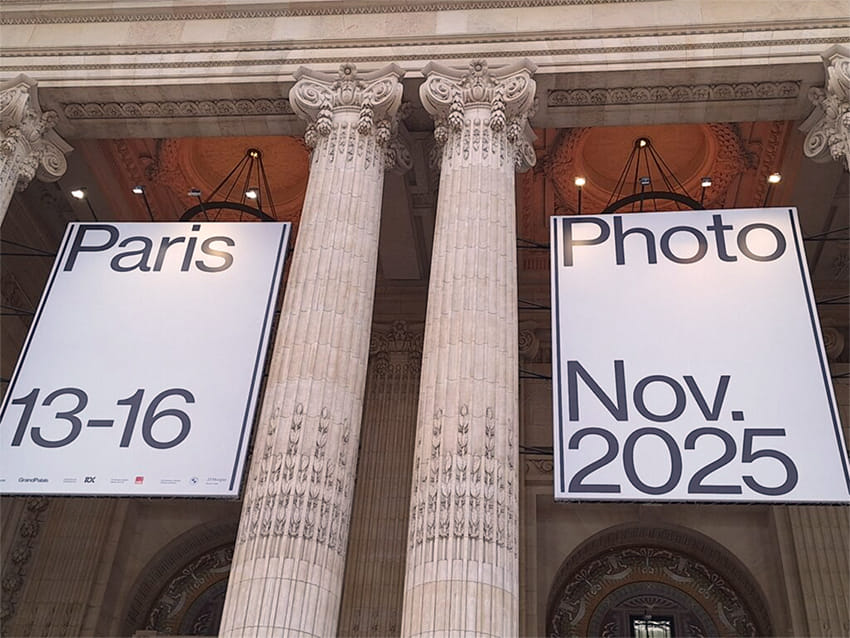
| | | | | | Paris Photo 2025
Impressions | | | |
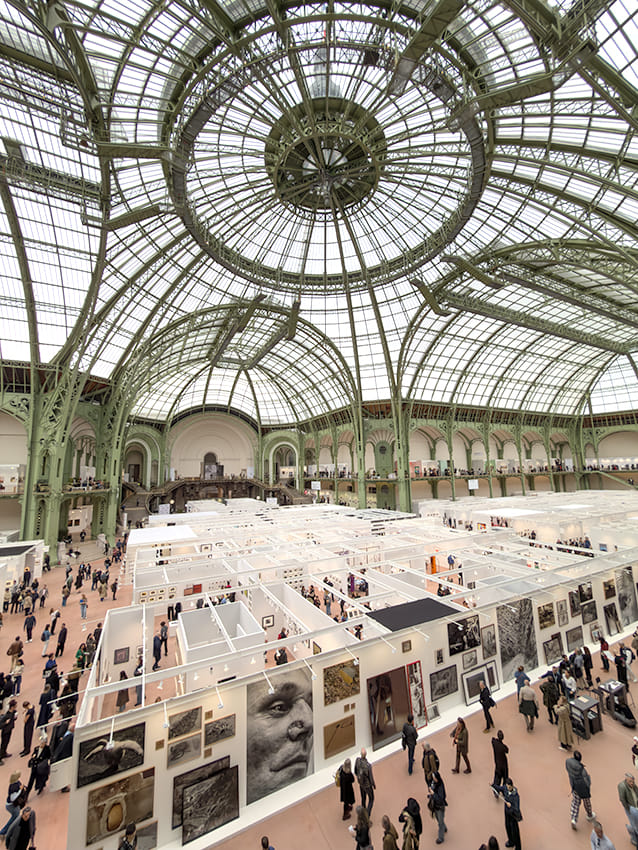
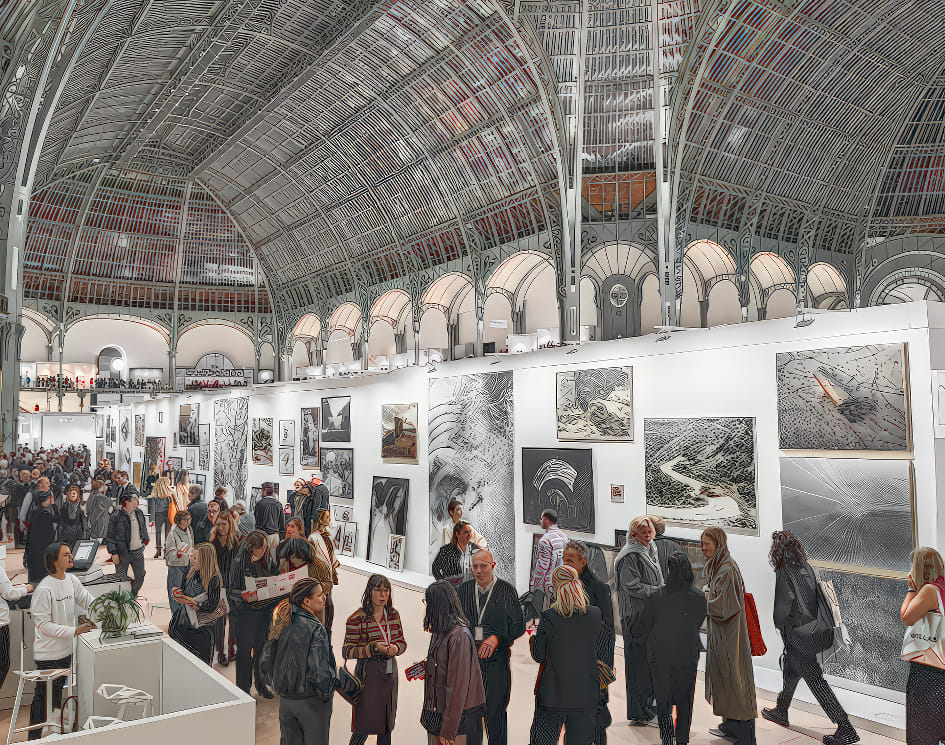
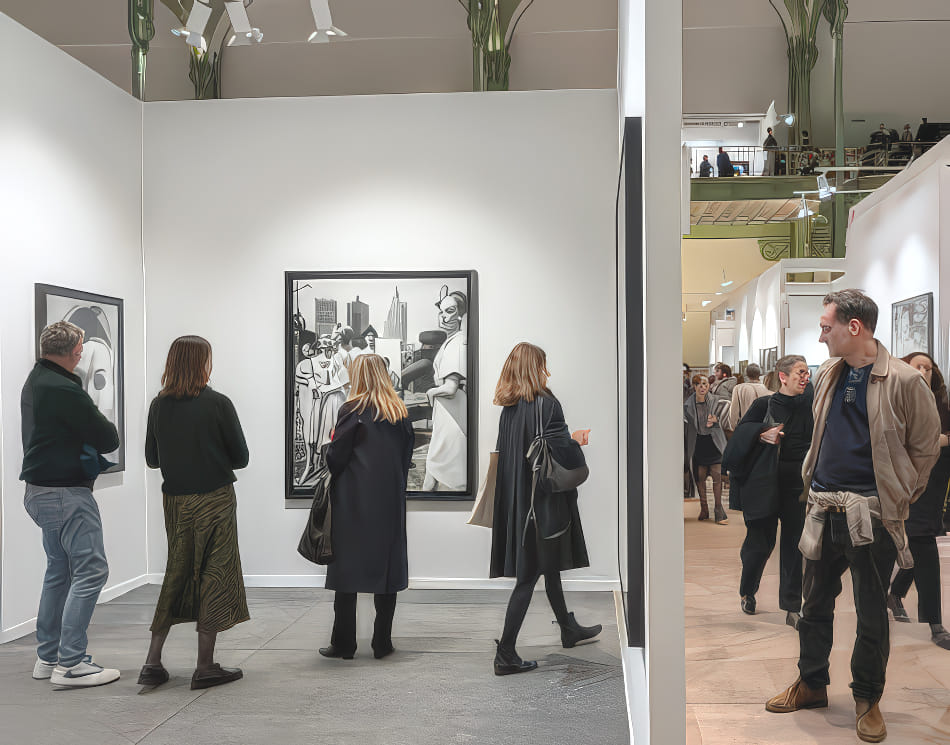
| | In November I traveled to France for Paris Photo 2025, now the world’s largest gathering devoted to photographic art—a sweeping survey of how the medium continues to evolve. This year’s edition brought together more than 220 exhibitors, including 179 top-tier galleries from 33 countries. Record crowds underscored photography’s vitality at a time when so many other art forms seem to be narrowing into tightly defined, specialized spaces. Walking through the aisles, the sheer volume of imagery made the fair feel less like an exhibition and more like a living, breathing cross-section of contemporary photographic thought.
| |
|
| | |
|
| |
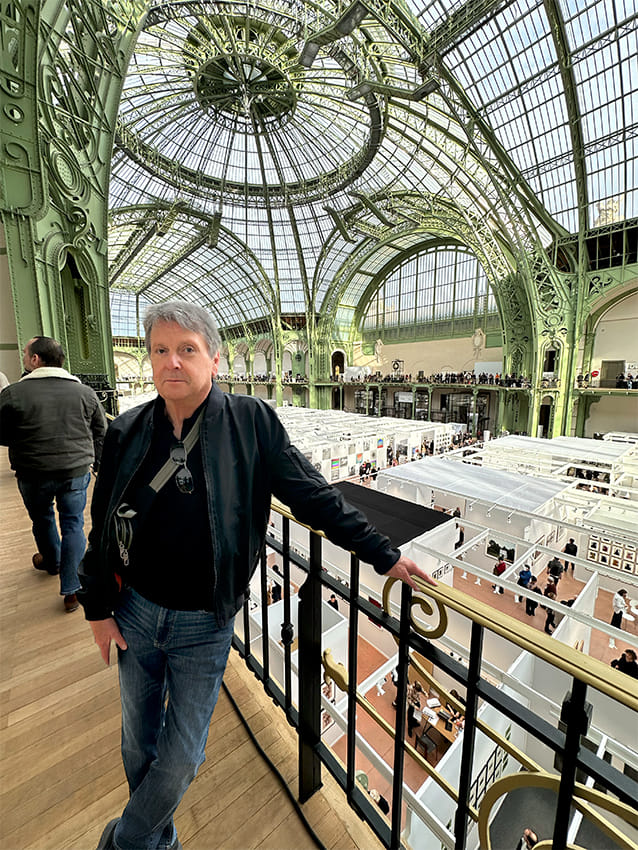
On opening day, inside the soaring glass hall of the Grand Palais, I was struck by how many visitors wore vintage cameras as if they were part of the dress code. A Rolleiflex TLR from the 1930s, a Leica III from 1932, a Minolta SRT 101 from the late ’60s—tools that once defined the medium now carried as statements of allegiance to its foundations. In a year saturated with debates about technological change, the gesture felt less nostalgic than deliberate: an acknowledgment that the analog past still anchors the digital unruliness of the present. Across the exhibition, that interplay between history and innovation was evident in the work itself, resonating across galleries from every continent and giving the fair an energy both local and global.
| |
|
| | | Above: Ron Paras at Paris Photo
Photo by Fritz Partlow | |
|
|
|
|
|
| |
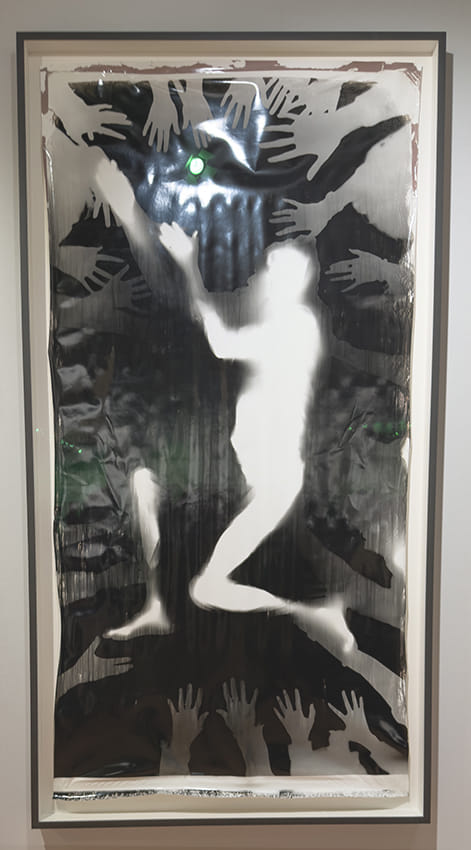
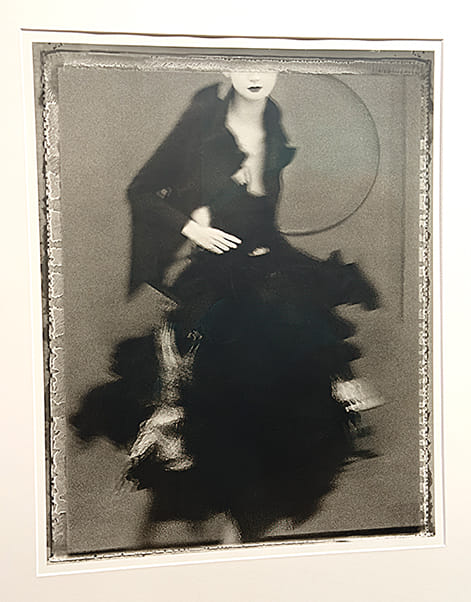
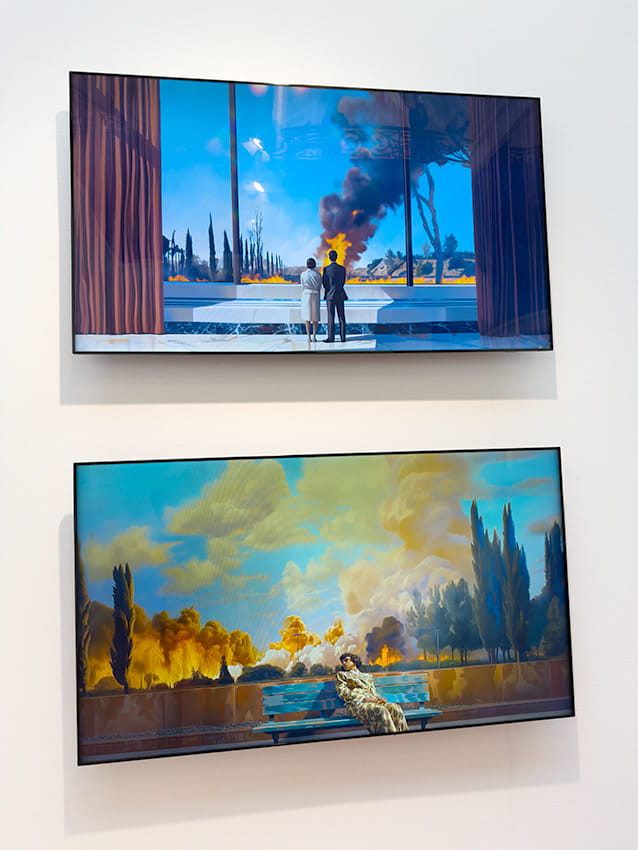
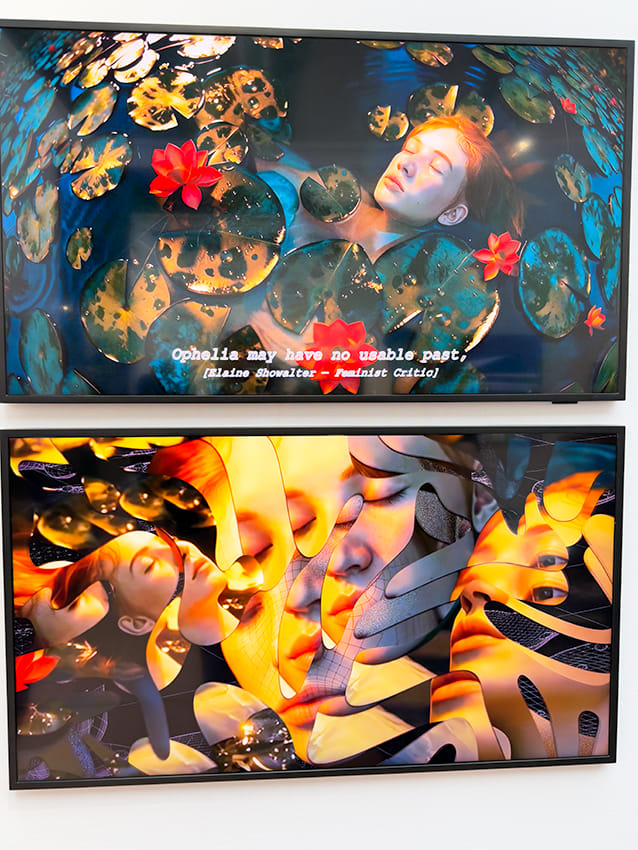
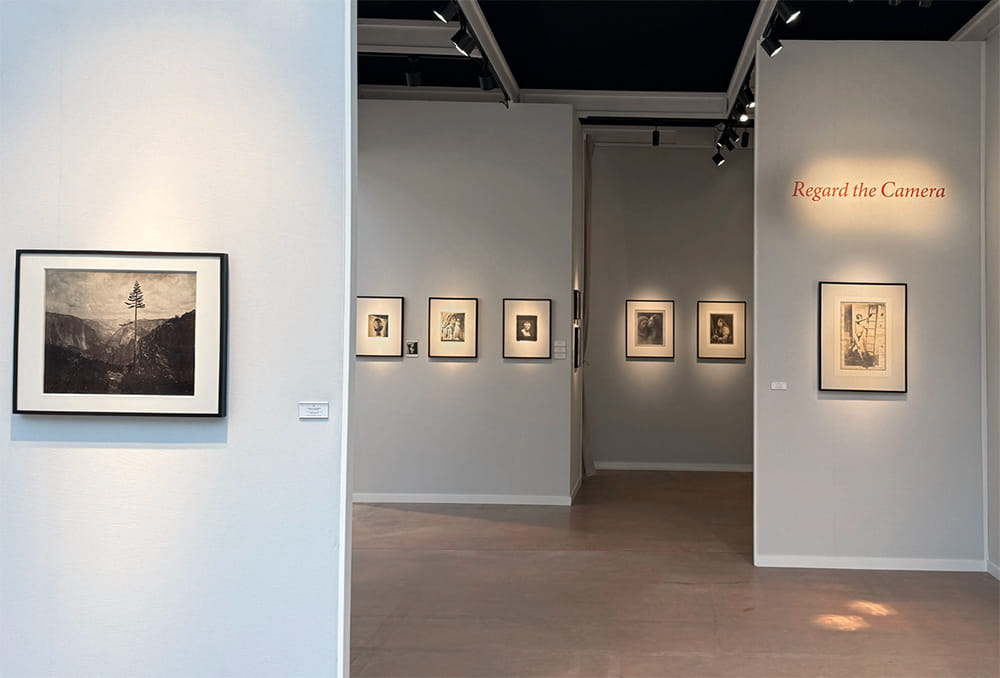
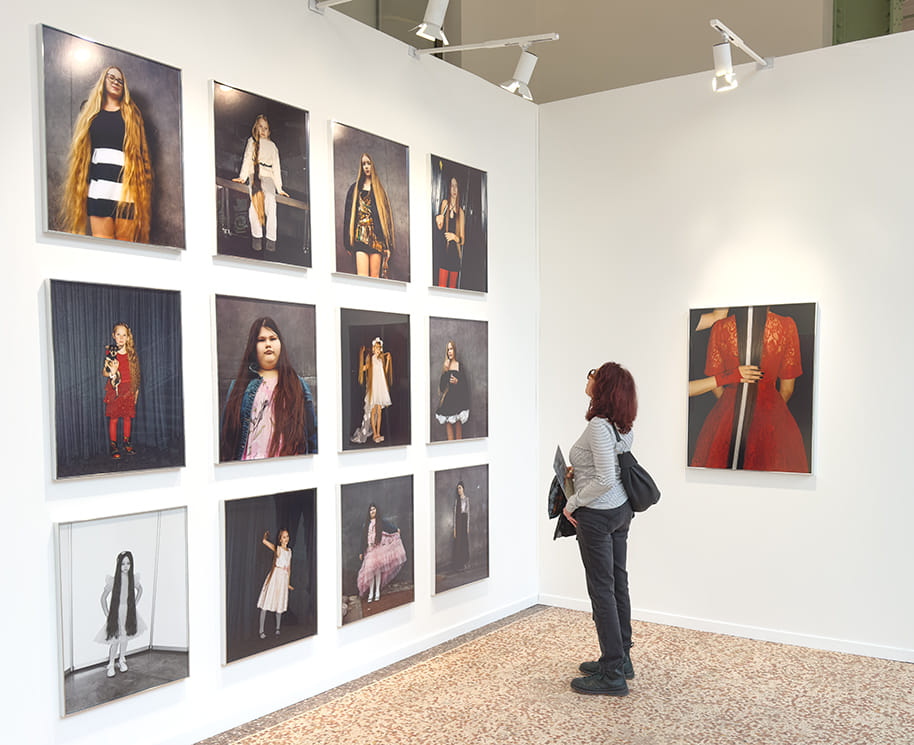
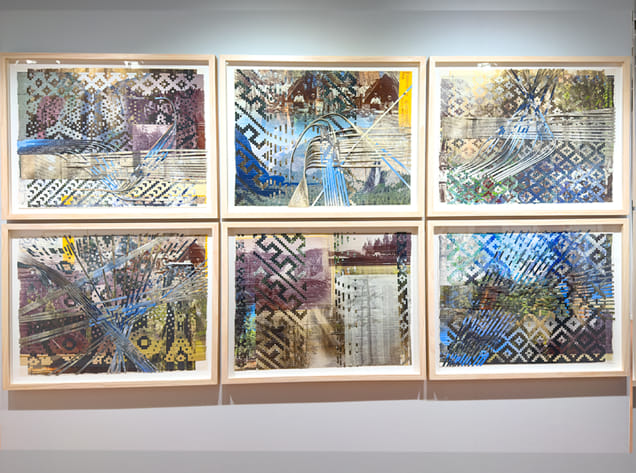
Some artists revisited early processes, revealing how experimentation has always been central to photography; others deconstructed the photograph into code, data, or sculptural form, inviting viewers to consider what an image becomes once it escapes traditional boundaries. AI-driven work continued this line of inquiry, probing authorship, narrative, and truth. Rather than overwhelming the field, these tools revealed photography as a porous, shape-shifting language—absorbing each technological wave, transforming itself, and emerging with renewed energy and insight. What stood out this year was how comfortably these approaches coexisted: glass plates and generative models, handmade cyanotypes and algorithmic simulations, each informing the other.
| |
|
| |
|
|
|
| | | | | Paris Photo 2025 made one thing unmistakable: photography remains one of the most restless and inventive art forms, constantly stretching across new technologies, new materials, and new ways of seeing, while carrying forward the weight and wisdom of its past. In the end, it inspired in me an excitement—to explore new ideas, and to see where these possibilities might lead. | | | |
|
|
|
|
|
| | | | Paris Photo 2025, Grand Palais | |
|
| | |
|
| | | | Above: Animated AI Generated Images | |
|
| | | Above: AI Assisted Imageing | |
|
|
|
|
|
| | | | Classic Sepia Photographs | |
|
|
|
| | | Above: Digital Photo Abstractions | |
|
|
|
|
|
| | | | If this newsletter was forwarded to you and you’d like to subscribe, it’s free, and you can sign-up here.
| | | |
|
|
|
|