| | | | Travel Notes, Part 1 Update
"No matter how you travel, how 'successful' your tour, or foreshortened, you always learn something and learn to change your thoughts.” — Jack Kerouac | | | |
| | In May and June, I traveled through eight countries, seven of them were once behind the Iron Curtain, from Sofia, Bulgaria, to Prague in the Czech Republic. Along the way I met people who had lived through those years. Their stories were inspiring, and at times unsettling. The images and notes in this issue offer a glimpse of those encounters.
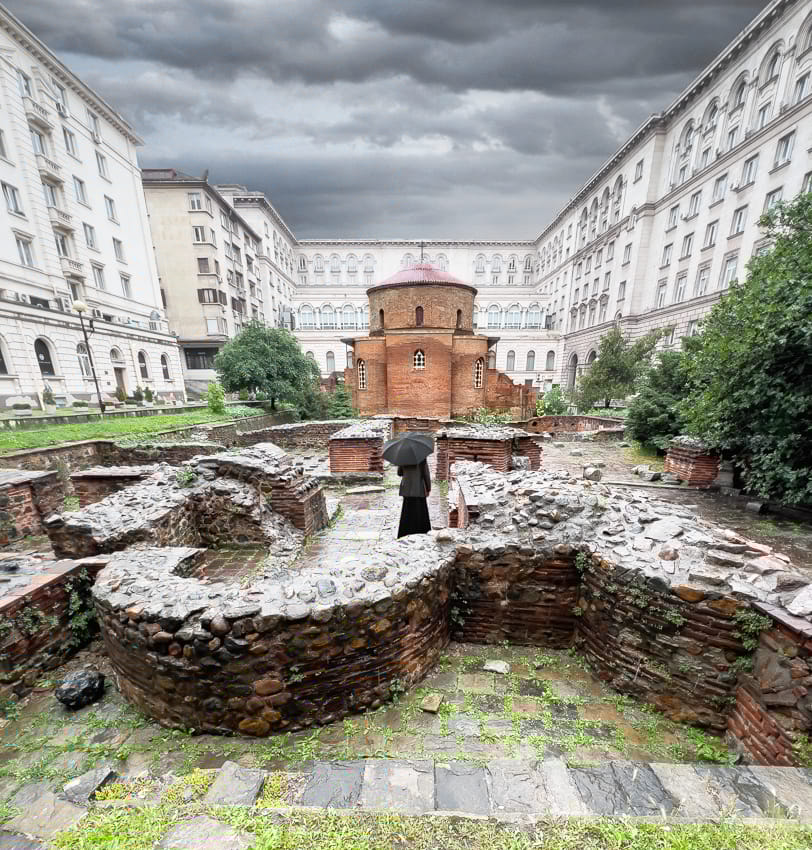
Sophia, Bulgaria | | | |
| |
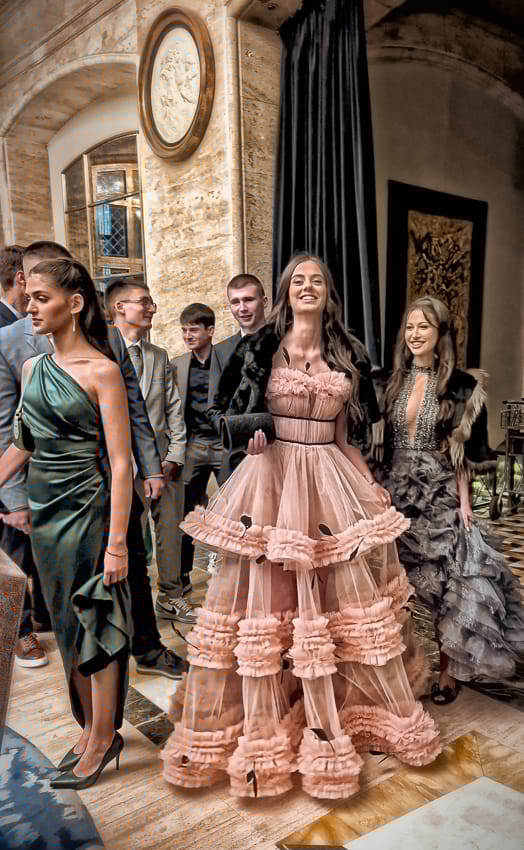
I arrived in Sofia just in time for Alphabet Day, a national holiday honoring Saints Cyril and Methodius, who created the Glagolitic script—the precursor to Cyrillic. That same evening was Prom Night. Yes, they celebrate prom in Bulgaria too—who knew? | | | |
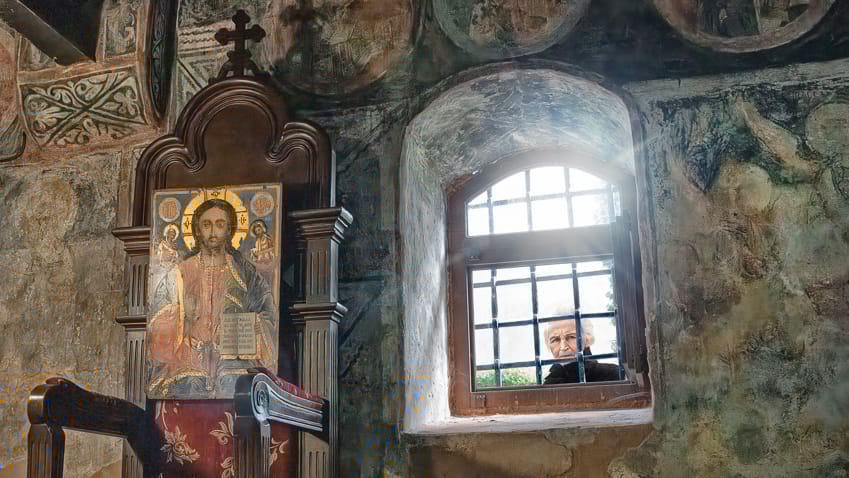
| | In Vidin, I visited the Church of St. Panteleon, built in 1634 partly below ground. Under Ottoman rule, Christian churches could not stand higher than mosques—some even say no taller than a rider on horseback. Though Bulgaria joined the EU in 2007, it remains its poorest member and signs of struggle remain. Some Bulgarians even told me they believed life was better under Communism.
Vukovar, Croatia | | | |
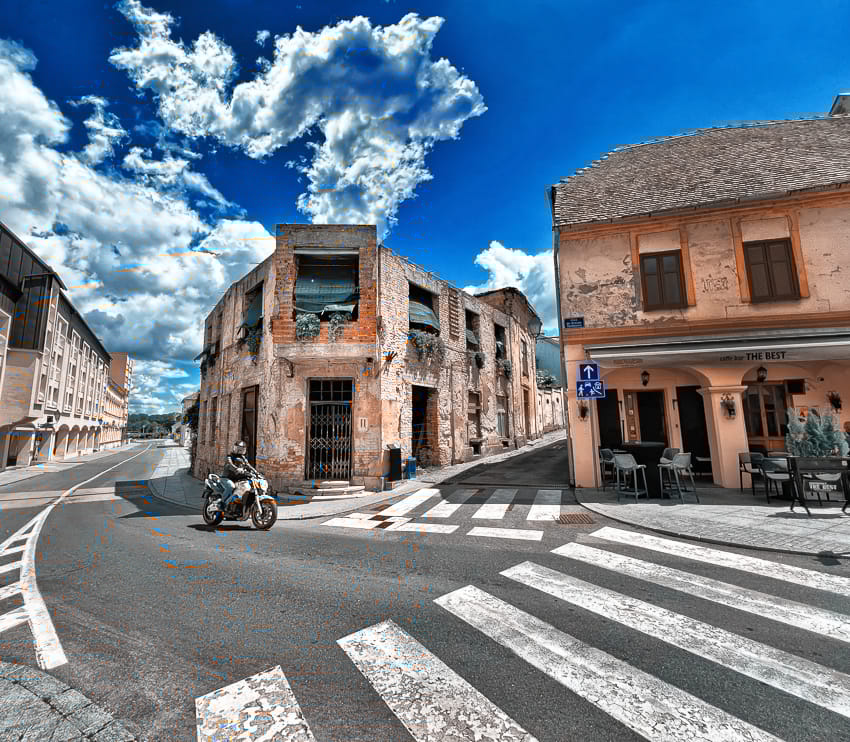
| | In the town of Vukovar I walked through streets that had been reduced to rubble during the Serbian–Croatian War in 1991. While much of the city has since been rebuilt, one heavily damaged building was deliberately left standing, preserved as a stark reminder of the war’s devastation. Locals now call it The Phoenix. | | | |
|
|
|
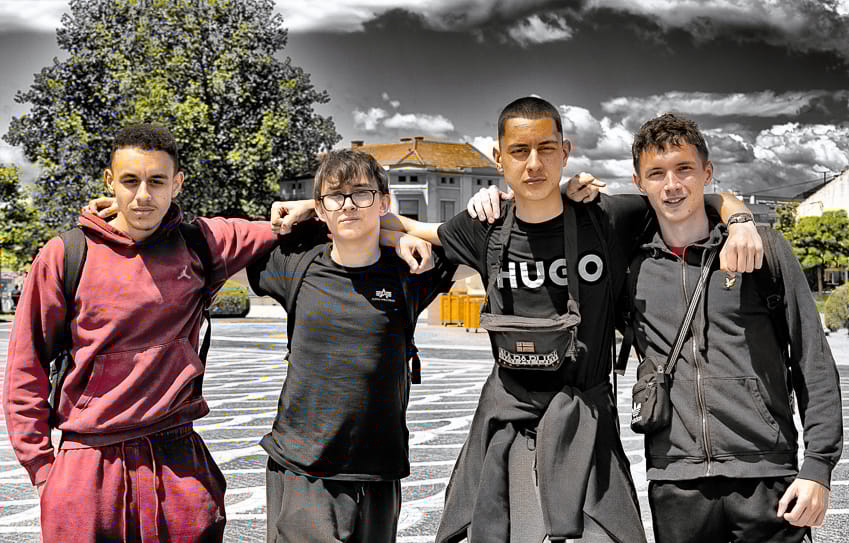
| | While photographing the bombed-out remains of the Hotel Dunav in Vukovar, I was approached by four high school students walking home from school.
“Biste li nas fotografirali?” one of them asked.
“I don’t speak Croatian,” I replied.
“English?” he offered.
I nodded.
“Will you take our picture?”
“I’d love to,” I said.
When he found out I was American, he smiled. “You’re the first American I’ve ever met.”
I told him I was honored and hoped he would not be disappointed.
“It’s an honor for us,” he said, sincerely.
I complimented his English.
“They teach it to us in school,” he said, proudly.
Prague, Czech Republic
| | | |
| |  | | | |
| | 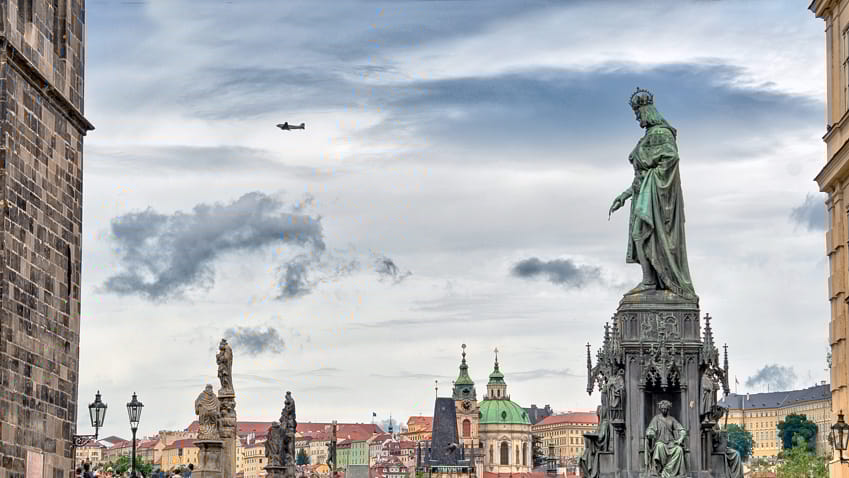 | | | |
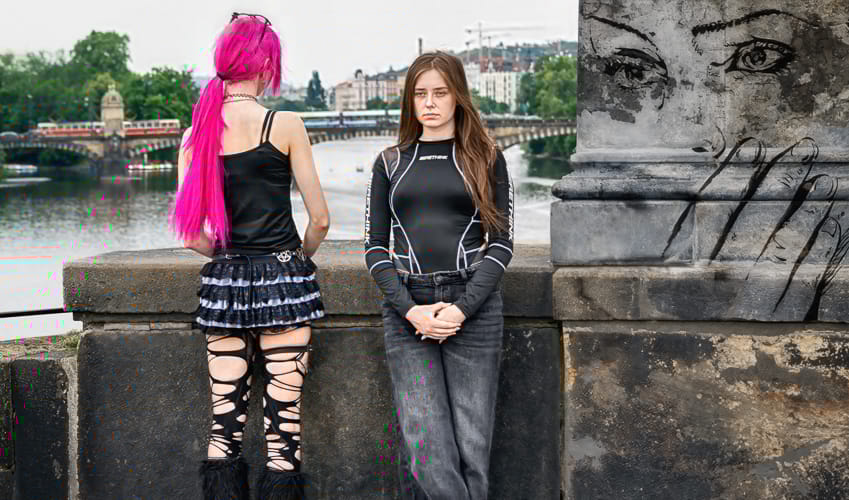
| | In Prague, I met a woman who was in her mid twenties during the 1989 Velvet Revolution—a peaceful movement that ended more than forty years of authoritarian rule in what was then Czechoslovakia. Today, the Czech Republic is a parliamentary democracy, but she voiced concern about the rise of far-right populism. “We reject this path and stand firmly on the side of democracy,” she told me. “But we’ve seen how quickly things can change. It’s easy to lose what we’ve fought for if we’re not vigilant.” Her words stayed with me—an apt reminder that freedom, once won, is never guaranteed. | | | |
|
| | |
|
|